The invasive species that may run rampant as sea levels rise
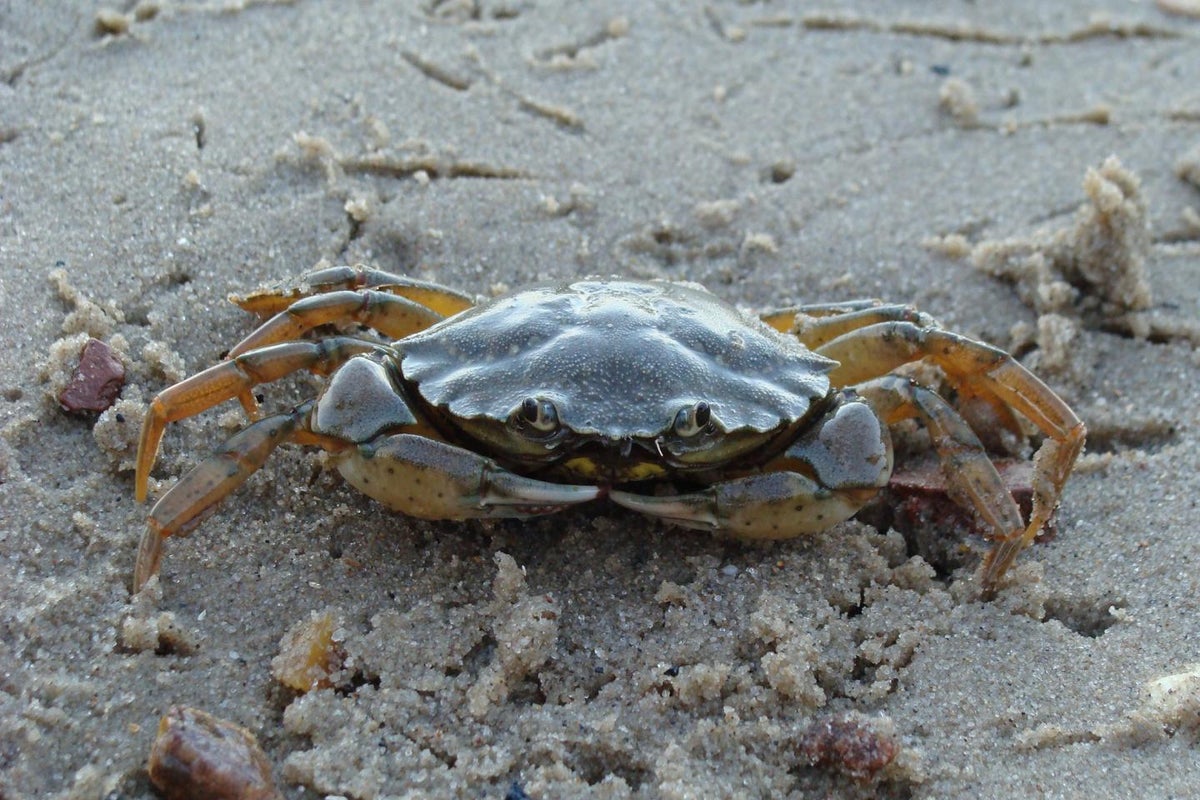
- The study warns that more than a hundred invasive species may colonize coastal waters worldwide by mid-century as sea levels rise due to climate change. These species, such as the European green crab and the Pacific oyster, could spread rapidly in newly flooded areas, leading to biodiversity loss and economic impacts.
- The research models the future distribution of 122 non-native marine species under scenarios of sea-level rise, predicting that up to 290,000 to 470,000 sq km of coastal land will become suitable habitat for invasive species by 2050. Estuaries, which are hubs of human activity, are particularly vulnerable to these invasions.
- The study emphasizes the need to incorporate sea-level rise into invasion-risk assessments, as coastal areas bordering estuaries are among the most important ecological and economic marine regions. It highlights the potential for invasive species to spread widely in areas close to estuaries, with some species like the striped barnacle and the Indo-Pacific swimming crab expected to gain the most habitat from the inundated area.
AI-generated summary of the original article — see the source for the full story.
Log in to join the discussion.