The sun, Earth, Jupiter and white dwarfs: Potential traps for dark matter
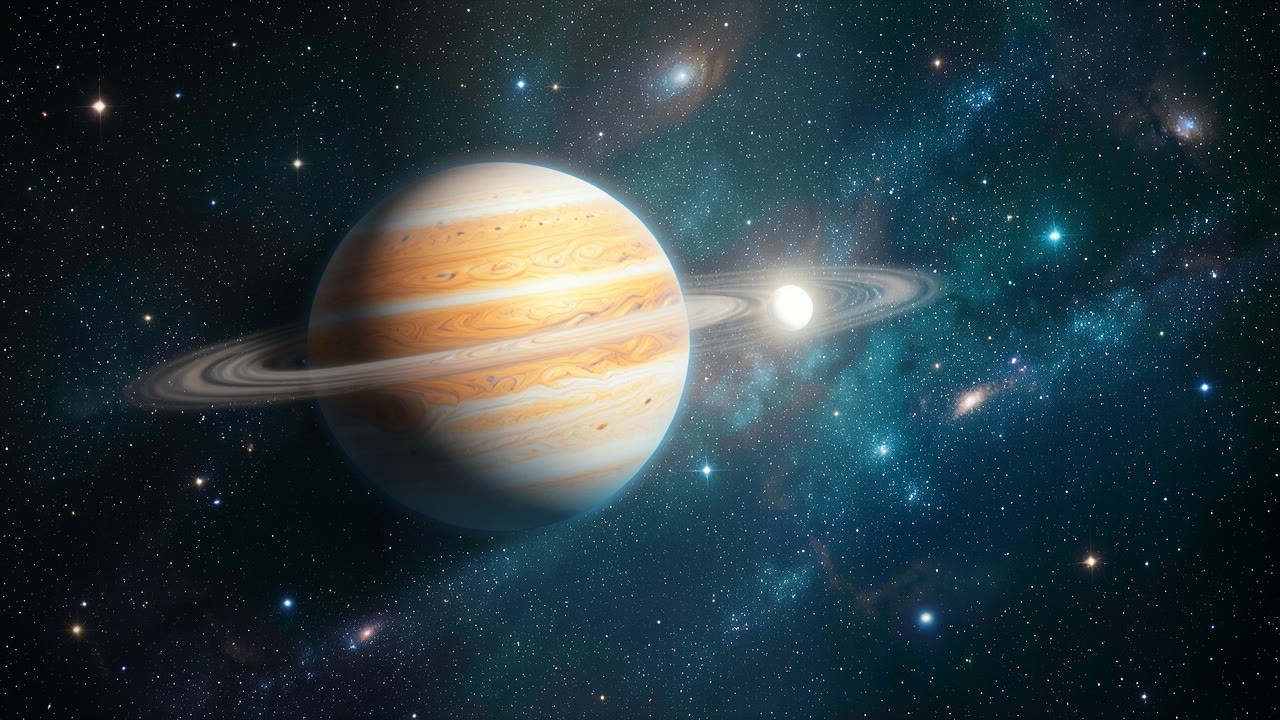
True-color mosaic of Jupiter constructed from images taken by the narrow-angle camera on board NASA's Cassini spacecraft on Dec. 29, 2000. The study explored the possibility of dark matter interacting with planets and stars, finding no direct evidence but ruling out some combinations of dark matter properties. The authors considered four celestial bodies: Earth, the sun, Jupiter and white dwarfs, and calculated how much heat dark matter would produce, comparing it with the energy emitted by each body. The results depend on the assumptions used in the calculations, including how much dark matter surrounds the stars. The more dark matter there is nearby, the more particles a star could capture over time. The study ruled out some combinations of particle mass and properties that other experiments had left open. Earth proved particularly useful for testing the possibility of a tiny electric charge, while white dwarfs can place limits on other electromagnetic properties. The authors also pointed to even colder white dwarfs in denser dark matter regions, where any additional heating would be easier to identify, and to exoplanets: potential dark matter traps beyond our solar system.
- The study considered four celestial bodies: Earth, the sun, Jupiter and white dwarfs.
- The authors calculated how much heat dark matter would produce and compared it with the energy emitted by each body.
- The results depend on the assumptions used in the calculations, including how much dark matter surrounds the stars.
- The more dark matter there is nearby, the more particles a star could capture over time.
- Earth proved particularly useful for testing the possibility of a tiny electric charge, while white dwarfs can place limits on other electromagnetic properties.
- The authors also pointed to even colder white dwarfs in denser dark matter regions, where any additional heating would be easier to identify, and to exoplanets: potential dark matter traps beyond our solar system.
AI-generated summary of the original article — see the source for the full story.
Aired in the broadcast of November 17, 2026 · transcript

Log in to join the discussion.