NASA's Voyager 1 closes in on a light-day in interstellar space for a new distance record
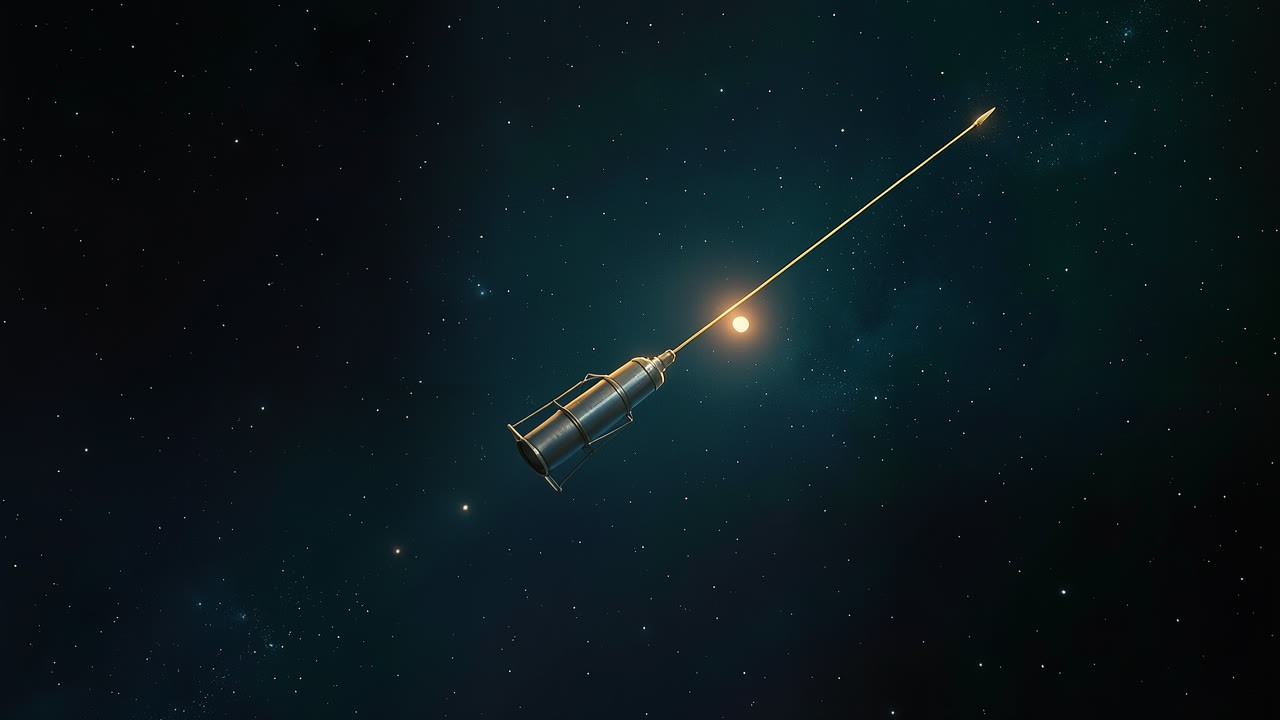
NASA's Voyager 1 is set to reach one light-day from Earth, a milestone that marks its journey into interstellar space. This event is expected to occur on Wednesday, with radio signals taking 24 hours to travel from Voyager 1 to Earth. The spacecraft, launched in 1977, is already in the process of breaking records for distance traveled by human-made objects. NASA is celebrating this achievement by encouraging people to create a golden light wave in the night sky using Morse code to spell "Voyager." The spacecraft, which is now over 49 years old, continues to send back valuable scientific data, despite facing some technical challenges. Voyager 1 and Voyager 2, launched in 1977, are still transmitting information about their environment, including magnetic fields, pressure, and cosmic rays. The project manager, Suzanne Dodd, sees the Voyagers as Earth's ambassadors traveling through space. The spacecraft is also a symbol of human curiosity and exploration, with the Golden Record containing messages from Earth. The record, created by Carl Sagan, features greetings in 55 languages and images of Earth. The mission has had a profound impact on humanity, with the Voyagers providing a sense of wonder and connecting people across the universe. The spacecraft's journey continues, with Voyager 1 expected to reach a full light-year in the future. The mission highlights the importance of space exploration and the enduring legacy of human curiosity.
AI-generated summary of the original article — see the source for the full story.
Aired in the broadcast of November 15, 2026 · transcript

Log in to join the discussion.