Using Lunar Craters as Free Radiation Shields for Moon Base Nuclear Reactors
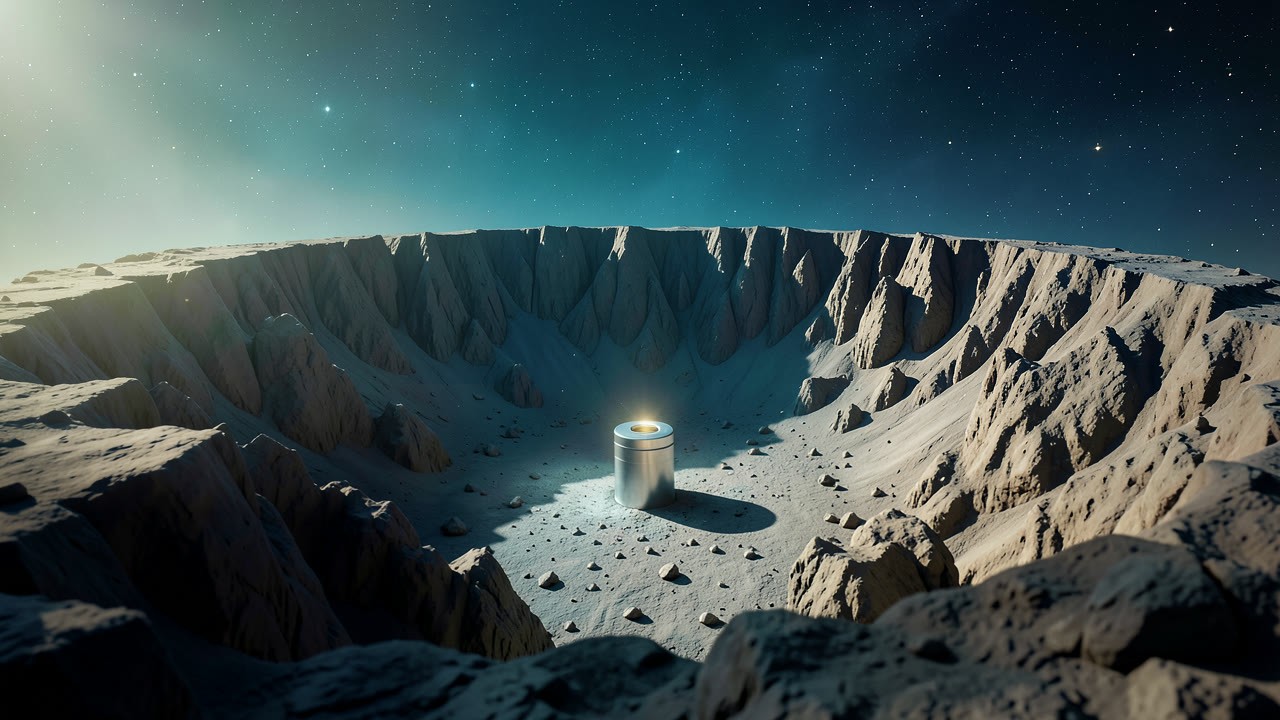
A new study from researchers at Los Alamos, NASA Glenn, Oak Ridge, Idaho National Lab, and Lockheed Martin suggests that lunar craters can serve as natural radiation shields for nuclear reactors used in future lunar bases. The research used computer simulations to model how different types of terrain could block radiation from a nuclear reactor, reducing the dose to the habitation area. The simulations focused on a 1.5-meter-high placement of the reactor on a wheeled rover, with the results showing that certain terrain features could reduce radiation exposure by nearly 90%. The study found that placing the reactor in a 120-meter-high crater wall could reduce radiation to nearly zero, allowing the reactor's shadow shield to focus on protecting nearby electronics.
The research team used a software called Monte Carlo N-Particle to simulate the behavior of subatomic particles emitted by the reactor core. The simulations were conducted on a mockup of a lunar nuclear reactor and a simulated lunar environment. The team found that certain types of terrain, like a three-meter-deep crater or a gently sloping three-meter-high dirt hill, could effectively block almost all radiation, reducing it to roughly one-tenth of a rem per year. The study also explored the use of Connecting Ridge, a mountain ridge near Shackleton Crater, as a potential site for future lunar bases. The ridge combines features like permanent sunlight and water ice deposits, making it ideal for crewed missions. The simulations showed that placing the reactor in this environment could further reduce radiation exposure to nearly zero, allowing the reactor's shadow shield to focus on protecting nearby electronics.
The study highlights the potential to save thousands of kilograms of launch cost by building radiation shields on the Moon, but also raises concerns about creating a no-fly exclusion zone on part of the Moon to ensure astronaut safety. The research team found that while regolith can reflect neutrons, it also reflects them directly into space, making it difficult for spacecraft or landers to fly directly over the area. The study suggests that while this approach could bring the dream of reliable, continuous nuclear power on the Moon closer to reality, it also involves a trade-off between cost savings and safety.
AI-generated summary of the original article — see the source for the full story.
Aired in the broadcast of November 26, 2026 · transcript

Log in to join the discussion.